

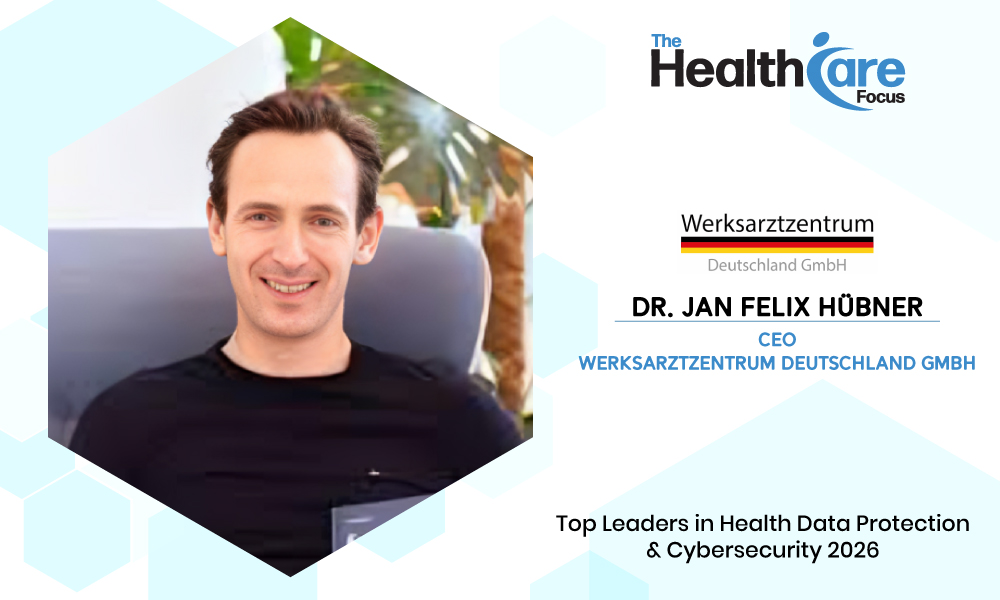
In today’s fast-evolving business landscape, workplace health is no longer just about compliance—it is becoming a strategic driver of productivity, resilience, and long-term success. Leading this transformation is Dr. Jan Felix Hübner, CEO of Werksarztzentrum Deutschland GmbH, who is redefining occupational health through digital innovation, hybrid care models, and data-driven solutions.
A Vision Beyond Traditional Occupational Health
Dr. Hübner’s journey is unique. With a background in both medicine and economics, combined with international experience across countries like India, Switzerland, Kenya, and Ecuador, he developed a holistic understanding of how health intersects with business performance and societal systems.
Early in his career, he identified a critical gap—occupational health systems were largely reactive, slow, and rigid. Instead of accepting these limitations, he set out to transform the model into one that is proactive, scalable, and digitally enabled.
Driving Digital Transformation at Werksarztzentrum Deutschland
Since becoming CEO in 2020, Dr. Hübner has positioned Werksarztzentrum Deutschland as a leader in digital occupational health in Germany. His strategy focuses on three key pillars:
- Digital Innovation: Introducing telemedicine, digital screenings, and integrated health platforms
- Hybrid Care Models: Combining on-site medical services with virtual consultations
- Client-Centric Approach: Delivering flexible, personalized healthcare solutions for modern workplaces
Today, the company serves over 500,000 employees annually, offering services that range from routine check-ups and diagnostics to risk assessments and return-to-work programs.
The Rise of Hybrid Occupational Healthcare
One of Dr. Hübner’s most impactful contributions is the development of a hybrid healthcare model. This approach blends digital tools with in-person care, ensuring accessibility without compromising quality.
Employees can:
- Book appointments online
- Access digital health records
- Use telemedicine for quick consultations
At the same time, companies benefit from:
- On-site health assessments
- Structured compliance programs
- Reduced absenteeism and operational disruptions
This balance between technology and human care is reshaping how organizations approach employee health.
Solving Workforce and Healthcare Challenges
Germany—and much of the world—is facing a growing healthcare crisis, including physician shortages and rising demand for occupational health services. Dr. Hübner addresses these challenges through:
- AI-powered scheduling and resource allocation
- Digital health records for seamless data management
- Telemedicine to expand access across locations
By integrating these solutions, Werksarztzentrum Deutschland is helping companies maintain continuity of care while improving efficiency and reducing costs.
Building Trust in Digital Healthcare
Digital transformation in healthcare requires more than technology—it demands trust. Dr. Hübner emphasizes:
- Strict data privacy compliance (GDPR standards)
- User-friendly platforms to improve adoption
- Technology as support—not replacement—for physicians
His approach ensures that innovation enhances the role of medical professionals rather than diminishing it.
Achievements and Industry Recognition
Under Dr. Hübner’s leadership, Werksarztzentrum Deutschland has:
- Become a digital market leader in occupational medicine
- Conducted over half a million medical assessments annually
- Been recognized among Germany’s Top 100 most innovative companies (2025)
These milestones reflect not just growth, but a fundamental shift in how occupational healthcare is delivered.
The Future of Occupational Health
Looking ahead, Dr. Hübner envisions a future where occupational health is:
- Proactive rather than reactive
- Data-driven and predictive
- Accessible across all work environments
Hybrid care models, AI integration, and personalized health strategies will play a key role in shaping the next decade.
Leadership Philosophy and Advice
Dr. Hübner’s leadership philosophy is grounded in a simple principle:
“Embrace innovation, but never lose sight of the human element.”
He advises healthcare leaders to:
- Focus on real-world impact
- Involve teams early in transformation
- Use technology to enhance—not replace—care delivery