
Introduction: The Rise of AI in Healthcare
Artificial Intelligence (AI) is rapidly transforming the healthcare landscape. From predicting disease outbreaks to enabling real-time diagnostics and remote patient monitoring, AI is reshaping how healthcare is delivered and experienced.
As global healthcare systems face mounting pressure due to aging populations, chronic diseases, and workforce shortages, digital transformation is no longer optional—it is essential.
Why Healthcare Needs Digital Transformation
Modern healthcare systems are struggling to keep up with evolving patient needs. Several key challenges are driving the adoption of AI and digital technologies:
- Increasing burden of chronic diseases like heart disease, diabetes, and cancer
- Growing elderly population requiring long-term care
- Shortage of healthcare professionals worldwide
- Rising mental health concerns
- Global health crises such as COVID-19
Traditional healthcare models, primarily designed for acute care, are not well-suited to manage long-term and complex conditions. This mismatch is creating an urgent need for smarter, scalable solutions.
The Role of Big Data in AI-Driven Healthcare
Healthcare is experiencing an unprecedented explosion of data. By 2025, medical data is expected to exceed 10 trillion gigabytes, including:
- Electronic medical records (EMR)
- Medical imaging
- Genomic and molecular data
- Patient-generated health data
AI plays a critical role in analyzing this vast data. It can identify patterns, generate insights, and support decision-making for clinicians, hospitals, and patients.
How AI is Transforming Diagnostics and Patient Care
AI-powered tools are unlocking new possibilities in diagnosis and treatment. Instead of relying solely on traditional methods, modern systems can analyze deeper and more complex datasets.
For example:
- AI can analyze raw ultrasound signals to detect diseases earlier and more accurately
- Speech analysis tools can help identify neurological disorders
- Routine imaging like X-rays can be repurposed for early disease screening
These innovations make healthcare faster, more accessible, and less invasive.
Current State of Digital Adoption in Healthcare
Despite advancements, healthcare remains one of the least digitized industries globally. Compared to sectors like finance, retail, and media, healthcare has been slow in adopting digital innovation.
This gap presents a major opportunity. By embracing AI and digital tools, healthcare systems can:
- Improve efficiency and reduce workload
- Enhance patient outcomes
- Enable continuous monitoring and preventive care
- Support clinicians with better decision-making tools
Addressing Workforce Shortages with AI
One of the biggest challenges in healthcare is the shortage of skilled professionals. AI can help bridge this gap by:
- Automating repetitive tasks
- Supporting diagnostics and clinical decisions
- Enabling remote care and telemedicine
- Increasing productivity of existing healthcare workers
In some cases, AI-driven systems can even replace certain manual processes, allowing professionals to focus on critical patient care.
Key Trends Driving AI in Healthcare
1. Rapid Market Growth
The global AI healthcare market is growing at an exponential rate, with strong adoption across hospitals, research, and diagnostics.
2. High-Impact Use Cases
Major areas where AI is making a difference include:
- Robot-assisted surgeries
- Clinical trial optimization
- Smart connected medical devices
- Diagnostics and error reduction
- Cybersecurity in healthcare systems
3. Influence of Big Tech
Leading technology companies like Google, Amazon, Apple, and Microsoft are investing heavily in AI-driven healthcare solutions, accelerating innovation across the industry.
The Shift Toward Smarter, Patient-Centric Care
AI is enabling a transition from reactive healthcare to proactive and preventive care. With tools like:
- Remote monitoring systems
- AI-powered diagnostics
- Personalized treatment recommendations
patients can receive care anytime and anywhere, improving accessibility and outcomes.
The Future of AI in Healthcare
Looking ahead, AI will continue to revolutionize healthcare by:
- Identifying care gaps automatically
- Enhancing early disease detection
- Improving treatment precision
- Integrating diverse datasets for holistic insights
The combination of AI, data, and digital tools will redefine how healthcare is delivered globally.
Conclusion: Bridging the Gap with Technology
Healthcare systems today are not fully aligned with modern patient needs. However, AI and digital technologies provide a clear path forward.
By embracing innovation and collaboration across developers, clinicians, regulators, and patients, the healthcare industry can address its most pressing challenges and build a more efficient, accessible, and patient-focused future.
About Beth Rogozinski
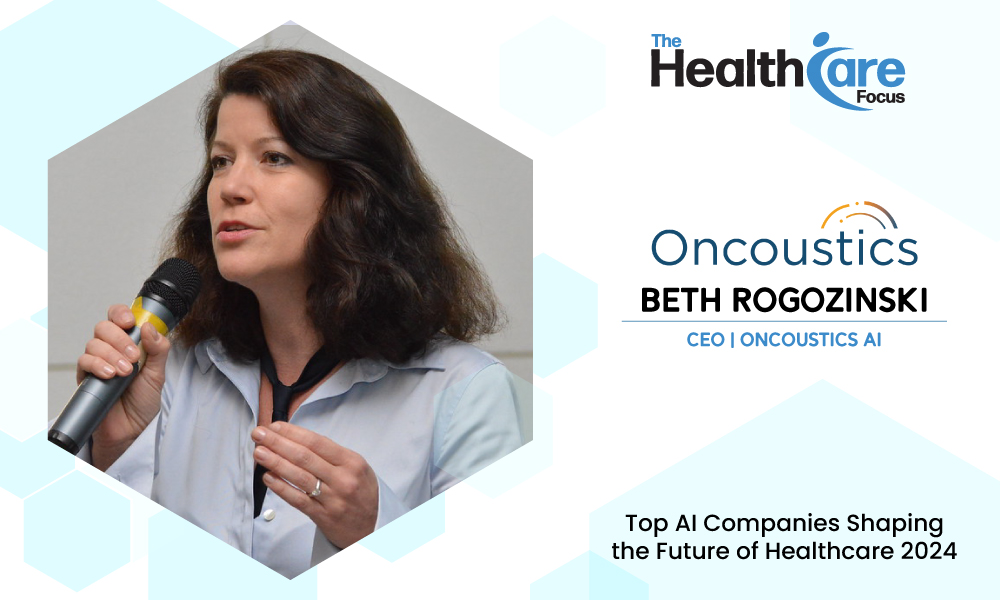
Beth Rogozinski is a leader in digital health innovation and the CEO of Oncoustics. With over 15 years of experience in digital medicine, she has contributed to multiple Software as a Medical Device (SaMD) solutions, including regulatory-approved innovations.
Her work focuses on applying AI to advanced ultrasound data, enabling non-invasive diagnostic solutions that aim to make healthcare more accessible and efficient worldwide.